About
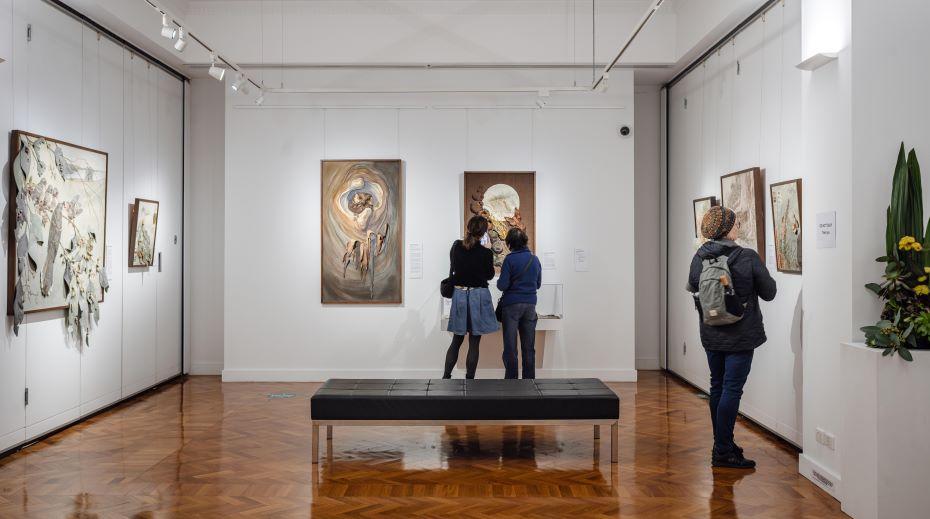
We are delighted to launch a new era in the life of Whitehorse City Council’s leading public art gallery. Since its establishment in the Box Hill Town Hall in 1998, through to June 2026, the gallery has operated under the name Whitehorse Artspace. Over this period Artspace has grown in both scale and ambition, and in 2007 was expanded and relaunched as a state-of-the-art gallery in line with the refurbishment of the Town Hall – enhancing its capacity to serve the community and showcase the best in visual arts practice.
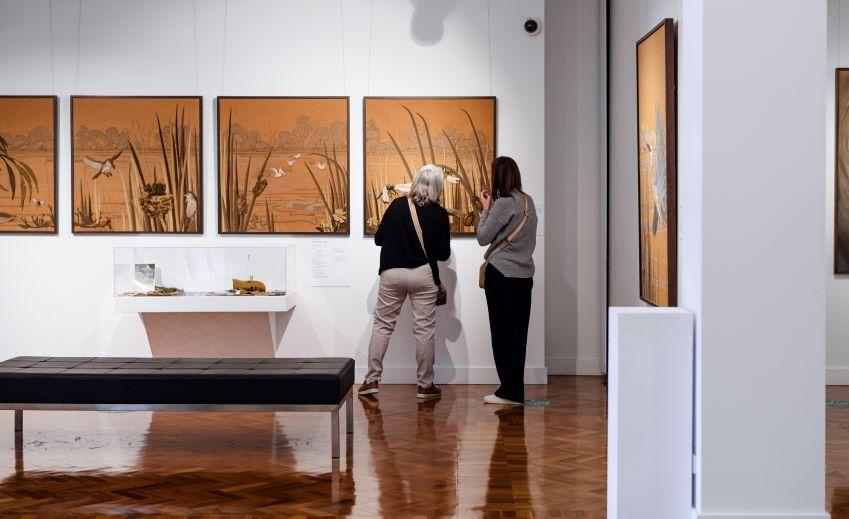
Over 28 years Artspace hosted a dazzling array of exhibitions, engaging community members and cultural tourists alike with exciting contemporary and historic art by talented local artists and national icons.
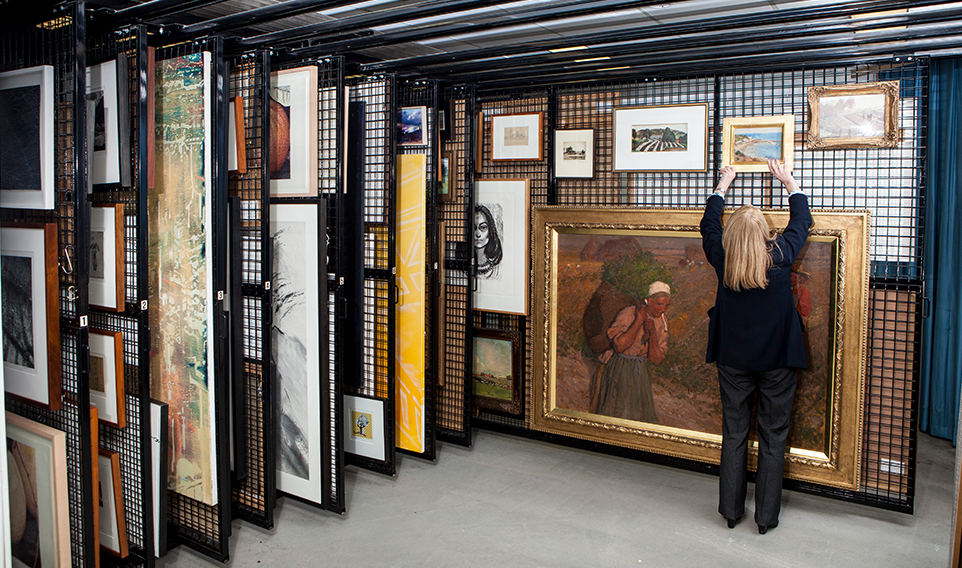
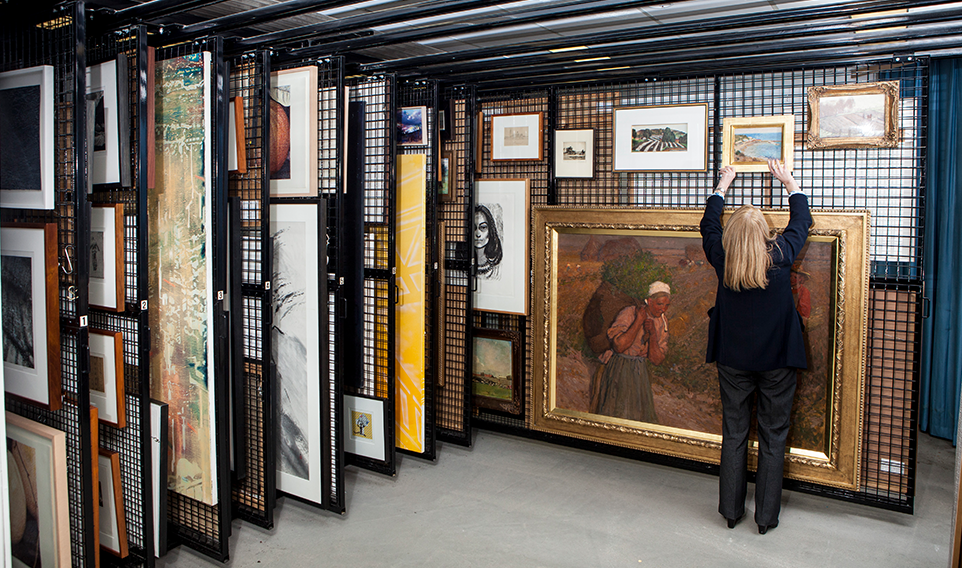
Central to the gallery’s program has been to showcase the Whitehorse Art Collection, which captures the rich artistic heritage for which the municipality is renown. This Collection includes remarkable early Australian Impressionist pieces through to modern and contemporary works.
We look forward to continuing this legacy of excellence under a name that clarifies its position as Council’s premier visual arts destination – the Whitehorse Art Gallery.
Whitehorse Art Collection
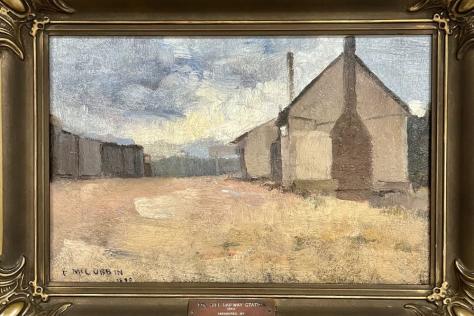
The Whitehorse Art Collection was established by the former City of Box Hill in 1927 and was developed from a core of artworks created by artists who attended the famous Box Hill Artists’ Camp in the 1880s. The main subject of the early artworks is the landscape, and art by Frederick McCubbin, Tom Roberts and Arthur Streeton is included in the Collection.
The Whitehorse Art Collection is a notable public collection, with a wealth of historic and contemporary painting, printmaking, photography, sculpture, ceramics and public art. In recent years, the Art Collection has developed through the acquisition of contemporary landscapes, urban and suburban inspired art, and a large number of ceramics following the generous donation of the Ceramics Victoria permanent collection in 2015. The Whitehorse Art Collection’s significant holdings in ceramics was further developed through the GK Lesselyoung bequest in 2025, which also included notable works by First Nations artists.
The Whitehorse Art Collection currently comprises over 2100 items. Generous donations and an acquisitions budget have ensured the longevity of this significant Art Collection for the benefit of the community and for future generations.
The current areas for collection development are:
• Australian Impressionism
• Ceramics
• Environment
• First Peoples
• Portraits
The Civic Collection contains historical items and memorabilia that is associated with the civic history of Whitehorse City Council. This includes official gifts, objects that commemorate civic events and sporting achievements, and Japanese decorative arts that honour Whitehorse City Council’s Sister City relationship with Matsudo, Japan. There are over 850 items held in the Civic Collection.
The Whitehorse Art Gallery is the home of the Whitehorse Art Collection.
Opportunities for Artists
Expressions of Interest
The Whitehorse Art Gallery Expressions of Interest (EOI) Program, formerly known as the Invited Artist / Invited Group Program, invites artists who live, work or study in the City of Whitehorse to submit exhibition proposals.
We welcome a broad range of artistic practices and media, including:
- Ceramics
- Drawing
- Painting
- Printmaking
- Sculpture
- Photography
- Textiles
Applications are open to both individual artists and artist groups/collectives.
The EOI program supports a diverse exhibition schedule and provides local artists with opportunities to exhibit in a professional public gallery. Successful applicants receive:
- Curatorial support
- Marketing and promotional opportunities
- Artist fees
The next Expressions of Interest round will open in April 2027 for exhibitions taking place in 2028
All Nations Foyer
The All Nations Foyer is an exhibition space located adjacent to the Whitehorse Art Gallery. The space features lockable glass display cabinets suitable for three-dimensional artworks, as well as wall space for two-dimensional works.
Applications are open to artists who live, work or study in the City of Whitehorse. Practitioners working across all media are encouraged to apply, including:
- Ceramics
- Drawing
- Painting
- Printmaking
- Sculpture
- Photography
- Textiles
There is no cost to exhibit in the All Nations Foyer.
Applications are currently closed and will reopen at a future date. To stay informed about upcoming exhibition opportunities at the Whitehorse Art Gallery and the All Nations Foyer, subscribe to the Creative Whitehorse eNews.
Internships
For information about internships and other exhibition opportunities, please contact the Curator:
Email: artgallery@whitehorse.vic.gov.au
Phone: (03) 9262 6250
Art History in Whitehorse
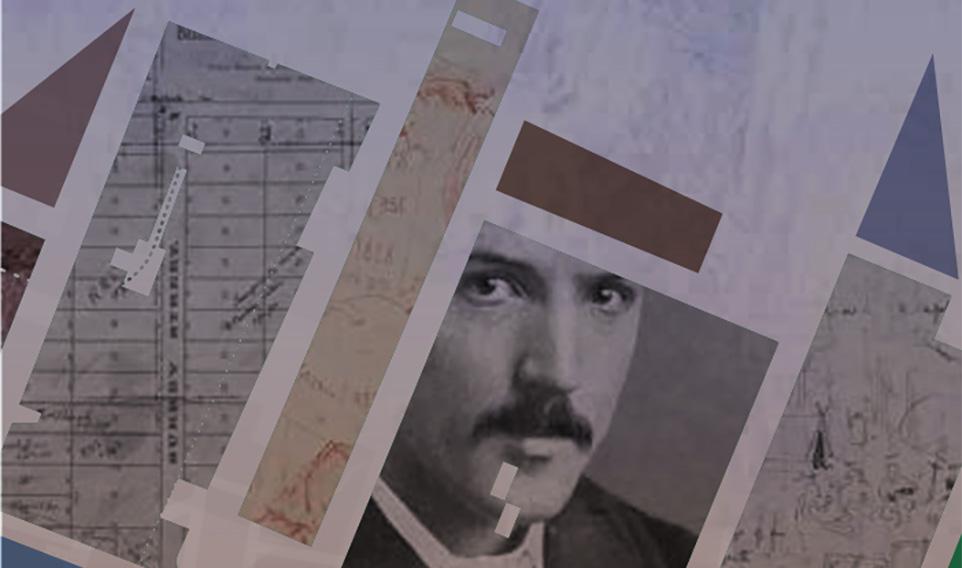
Almost every Saturday for some four years between 1885-1888, a group of Melbourne artists raced to the Lilydale line to catch a steam train, leaving behind the bustling metropolis for an idyllic weekend of camping and painting.
The artists camped and painted together on a site near Box Hill, using the en plein air (out in the open) painting method to create paintings that strongly evoked the natural landscape and lighting of Australian bush.
These artists included Frederick McCubbin, Louis Abrahams and Tom Roberts, Charles Conder, Arthur Streeton, Theo Brooke Hansen and Jane Sutherland. Together they pioneered the Australian Impressionist movement.
The artists’ camp later relocated to the hillier Eaglemont and Heidelberg area where views of the Yarra River inspired further paintings. In 1891, the art critic Sidney Dickinson dubbed the group the Heidelberg School. Today they are recognised as the Australian Impressionists.
Although much of the bushland has disappeared, there are still areas in Whitehorse that evoke the original landscape that inspired the artists. The Whitehorse Artists’ Trail maps out areas close to where the artists camped and painted.